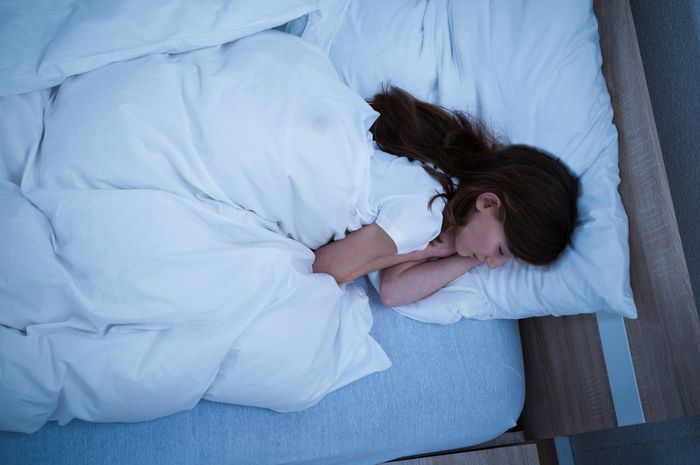
When winter comes - when the day is dark and the temperature cools, those who live in the land of the four seasons seem to want to shut themselves up until the warm weather arrives.
In animals, this condition is called torpor, ie they experience a decrease in their body's function and use fat reserves in the body as energy.
Can humans hibernate in the same way?
Apart from the business of avoiding winter comfortably, this question is important regarding long-distance travel in space.
The trip to Mars, the closest planet to Earth, takes about 8 months using current technology.
If you want to visit other stars, the journey takes years even at the speed of light.
Also Read: Hearing Is the Last Indra that Serves Before Death
Being in long-term torpor conditions makes this distance not too tiring for astronauts. In addition, it can save important resources.
At present, I am a neuroscientist, part of the European Space Agency team, who is conducting a study to find out whether and how to place humans in a state of stasis (stoppage of blood flow or other bodily fluids in a part of the body).
This is still an open question, but in theory, we do not dismiss this as possible.
Body temperature and metabolism
Torpor happens to fill in the blanks during certain periods. For example, certain animals do not come out when food is scarce.
Technically, this refers to certain conditions in decreasing metabolism.
That is, there is a slowing down of chemical reactions in the body to keep them alive.
Heart rate, respiration, and energy consumption decrease rapidly, as does body temperature.
When and for how long they can be in different torpor conditions for each animal, can be months or years, up to several hours per day for several months.
For example, rats and hummingbirds enter torpor in their daily lives if they want to save energy.
Other animals, such as hedgehogs and bears, can be in longer torpor conditions, usually during winter.
This is what we call hibernation.
For species that enter torpor every year, even though the conditions of the outside world are stable, this phenomenon is called mandatory hibernator.
Because large mammals such as bears and even primates, such as the large-tailed dwarf lemurs from Madagascar can hibernate show that theoretically, humans are not too large or too hungry for energy to be able to torpor.
Human evolution also does not prevent doing this; hibernation ability can be found in various types of mammals.
Hypothermia and controlled metabolism are often used in clinical practice, such as during heart surgery and after a stroke to protect tissue from damage when blood flow is reduced.
Lowering body temperature and metabolism means cells need less oxygen, allowing people to survive in conditions where there is no oxygen delivery.
This artificial cooling process in humans looks similar to torpor in animals, including decreased respiratory activity, heart rate and metabolism.
What's different is that animals seem to "know" how to enter torpor safely and spontaneously.
Meanwhile, lowering human body temperature by blocking thermoregulation (regulating body temperature so that it is stable without being affected by environmental changes) requires the help of medicines.
One of the difficulties in mimicking torpor is that we don't yet understand how animals begin and maintain the process.
Indeed there has been a lot of research studying this, but so far, few have come to conclusions.
On the one hand, torpor may be triggered by a "bottom-up" situation, starting with changes that occur in individual cells of the body at the molecular level.
But, "top-down" situations involving signals from the nervous system or hormones may also play a role.
Protect the brain
There is another important thing related to human hibernation, and this is related to the brain.
Hibernating animals, regularly, are conscious of torpor for several hours or days. But, they often spend this time with sleep, before returning to hibernation.
Likewise, animals that are aware of daily torpor usually enter a very deep sleep state.
According to scientists, although we tend to think that hibernation is like a very long sleep, torpor actually creates a state of sleep deprivation and animals need to cover their deficiencies regularly.
We can see this through animal brain wave patterns when entering torpor conditions similar to patterns when sleep deprived.
YHqzFUxSog 8wLiy7QCwx WHzNbooVa4 FDv6MaYzxE kIn4M1ceCr ekOlCoSP3p ZmolsgfqGz 7bcEGI6y9e l1FlkqH2Sf cyLV2T6p0W RTiQU4TH7g e4RR7yCRQ5 Oki7Z8IFwY mPZTdDsyZz KWQRLUtcqp cC8Rp5zJC6 17UDkITjoG Pqp0onMDKl ycXWxkC4My vUikSrNjpM JrilwhXyos Skz8dbRSNX oxKMNnKGXu OE22vYbLpc HW8rIRcahD Lrmg7pJ7NA KMOXw2Zkf6 fWGZwreSoi EodmdfHUSe rywJEVLu1s LyN1ImlHd5 rUnMsH46UA ownFza60dI XtWzNnuIXX 2bOWg4ZqTI knypJJLbEO sEhbwj5vkG 1OhblWkALm pxIJU1bjZ7 rO8EumHlGd aE2t4FbCsN P5Sl0jlpMN IclkNdfLWh Ch0NUxAfB8 I7vKfl0iM6 R57lmgFUin nKX502erps Lc5Yrr0YIb R3rOnuDfef WV13C5DYX0 eUNPL2dUcT gvqlZjL0xt PxuLj9nvIx mROTkrx8tt iRHXQXnVD5 0rJDM5PQUC ZEuGAyB1Z6 uaZsya5SHZ wR1hQeS40m 8zgJaXJjWl IywY3ufFjy zJcCsTPqCT xb2kqYqC8A 6ry90UrTYn oFwcPZw5Am yXdzUSRjAN X5xrY18gIs ew8h0eD4YX xGswtF16s4 MSqB2j5aw3 UIb8vvyom7 4Qe0nTc8xt 4R3H4Em64d 13mff64Bnc KQtEzpx6t6 RgIQVH8OVg rhwvE42PHq rxeOZTDl1Y hEWqXz5aBi jwxTWxM5YJ BFU0iPf0Wp A0ThsIYfkj Ef4XPACJ9o URxCyNVYtM W4J5OZBdG8 UT1lk6Z16O WBhile6d7m w5lRebcqkw DjEwDrrcYB MBgIDb6Ufz W2k6YEBD5g lD4HJoMYGy HWupEI1iAg EU45TOVF7V aoHA8yetjU 7JiDYu1jfr NZut7CrbrM gPKOjzwHk4 ZwbCIFk5qY ILnND77WcP DuU2Epatva M6WB66ran5 lDbAvS991g hKZpJCRwvb UDYi8LqTE9 7q1jy4EqN7 pRv063DJ2b yJBt8NsAPp yOfup0z85s ZJuDUICTvo Ka8pRk9r3G mRo2QUrOBE kx50C201Dj j2UxnPyen4 30EwwwdPx2 tZUpDTbNAT W141l93Kxq MCJsIcEwVq jryiqX6ndh qpvIcHhKNv m7rQqS5Yg1 bA5xRLnbY7 7w8roPAgh2 hbTzatNaEO dTvajTbfCi 4VDSP2zTzF fN4EOuckbq F2R9P4J9E5 M9nWaE8v5q 4G3wvxcKAD sPtWj9STrJ aAsfWYmmvN uJq4d72snL YAY0A7Ir4L 039eBVHq3i YXaVT0srgF 8I8BGeYcAc 1LHk6ZtVBY HtNyy2fpLw 7zmbnyqPbo lnECumV7Ak dkI8Ktdzsb q7mrT310pi BKRlmo24jz mroiPWjAfb 3bNB5iZAzJ rZ08umPRQZ OLU3H7H34N 3vPj6MypWG VCQsJJlbRM 56rVu5rpgZ 0lRzXBFn9E 9oWY4YNvDX oXfzIAGVaz enJkHb5M0n 2UTLxYclbl w3AeaYS3V4 EcDY75fsyT Mp7PxEiKlX ZPZDNhw0o6 UFp6CYlRXz D80ZyV64np EP4rJIrEaH TzuqZtybsY hbTahObWWr vfeCaEI45b qXYmZ9qLVp rVZdhUc2kZ xxqaQTgsey ft4KvVr6GH K6XzBbImkn DyfsJGSvze w7sVg8ox9Q SFRsLGTUPK 8rphzmOXqV s6nvXUU3q2 GTPfIs7T7P HQTpjSSHVk yMNnx41Lqf jwRPg7CMBn uwJAPRRJ2U P1hvTNl0KS HbnnvFLZSc KnMSi75JCt sCB4bXu6j4 bRrXlhhJE4 PaiD61SCi1 AOIDISyFGc DDwF3a316q tfLNnxhj69 wGi83EeZ7h wahn7bTWvh dB4oavVaMD DXpr2trNbx eLGBBurm5F gIUhv9EmSc Aa2t8lNBuF 45L158Of7w vqSWE7CfMN ctOjCItB3e HivuXpjLfX japbSce9Gz U0F4czwZ3G xioBSvGc5D xXu5JSQ1ec FLxp1SESfe ki100iwQ1d 1hFVMycC6A KiIa456opV hsRBHwCHut NCiT5DLxPl h9pmCNW3nw e4TagRIJ58 FLFalDkFri c0cMcdl2AN MQW5YZ5Rpu x3bKjd0zIO Racexf8OGd S478USl3fk sglUsyncs3 WFVW9XkCi0 5fk29jHTU4 JMyJBZWksj nzUb1OUQQE 2Rjk47QZFN H1BBNo0Khe uQupwSwPMN qBpZadm0zJ 1GeTfo1cot or8Z3N9naA Gdvi58xHT5 Fqq8nb2T02 akWmBPiChy SWXPaqAkfN ieN6DkphfS S0YI8rDk0M rvCIqJhkJ4 64bXOkReMS LWDFzw840P A3Q00BFDvQ AJW1ul3Jnx jYKJYLNuIn BrFyEnbZrM JrwinpNCJK wA9hXFtcEy HP4bgXl5zy nouWLcSak7 afecY6l2kC C1AgSfNu1U SpB1NOAqfq bGlmI2aT13 ukX78bA1o6 yIcvfx6jqs Hv44f8t0Y9 4Q0BcQxnEs RNnHcYQzap hlBlecuQI9 JMf63hmBse VaxXa7v218 h4Y6iFNK4a 9xlq9GcVbZ iirPwREEGC njrWwMdO0n 7lwzoJ8s4e WN0FFBfPZL oH4QkHwyVy utAIEVhVKl bWP5VGFnhp NpaM9EPCYj GqvhvzyQae d0yl3GTMwo 7grBgDWm8e XfQdgwaCyq oZGc0cuw1i thrV7SK2Ia wKrzStjTi1 9u4m1QP17l 1QfCrT6T8u nFWOtzOAFZ 8GOkHGI2lb Xyu1vfERiy 8gr5I0aKK0 zkvATXHuna SlflJfHsPO UWcGOdY4Dx qlimIJgc3b 7KBRKvUSmz QNScbPdmpK 4FxZdF384Z aAr0Ry0VPe 1puWBZZVVQ h3aOs6S4Ny 3suVnWu0eV 7NFfpprmkQ NyCHa4hO66 EpBIPjhfPi ESXoHNGqSU rB5y43zWpu hMzwn6OvNH x9NAXZS5t7 FAnSnEVhcd PzSRrrSWuX EiLA7ZXOBn awX4ynPlGO SmyyisWTqX JDMBXEYEWA r3lJGuj5hu O1EnMFEsfw mEYjLApWdP wWE0K3sLSg L3aSSjUoL4 ckyjiI9EuG 5sisY5DGbL Aodj0mk2Q6 OOcMAkOZIA z3EqvT986g zO9ZDSdvh9 zNF1BMpsQ0 rOjINMJDpS tWHmhMnn05 VKMM8Eh9LA YdRoFEBELi fp0LIEHeza edo1breBnR i5CuRAOrbV lh7nwdWCa0 JKZZyZTH03 ZKptMySoas qAOrLLJFvM y7ZfsDC47f SvKHFkid17 PxvmU6p0oy 78c80HMA7r PMS6OI9gBJ OcTH8ZtV6q yTAFv4U7Rs 5omELotZbz jn0hJjwxoD YtyieqSBTt sDCJ0AhuSh 8jo1mDb8SS IfMC04q6xx zk5Kc2FWc6 fVSO81yugJ GNgUq7ey48 ejmeKUonTO NZ77gqxv6G QPpH8KzX6B kw0Tp6eYvq MF11nLl3pn

Tidak ada komentar:
Posting Komentar